Orange Plaza
The traffic circle at Chapman and Glassell is our main orientation point for Old Towne Orange. Jobs near the Plaza usually mean tight street parking, so we plan to walk gear in from a nearby side street.
Water Leak Detection in Orange is a category of service that locates hidden water loss in slabs, pools, mains, and underground lines before it damages a foundation or inflates a water bill. We run that service across Orange County from our base in Yorba Linda, and Orange is one of our busiest routes. The city mixes 1920s bungalows near Orange Plaza with 1970s tracts in Orange Hills and newer builds in Santiago Hills, so the leak patterns change block by block. Old galvanized and copper pipe fails differently than PEX tubing, and a slab leak under a historic home reads differently on a pressure gauge than one under a post-tension slab. We carry Sewerin and LeakTronics acoustic equipment, Fluke thermal cameras, and RIDGID inspection tools on every truck so the first visit usually ends with a located leak and a repair number.
Orange homeowners call us for the same handful of problems: a spike in the water bill, a warm spot on the floor, a pool that won't hold level, or water surfacing in the yard. We run slab leak detection in Orange CA and full underground leak location across all five ZIP codes. If you've been searching for water leak detection and repair near Orange, this is the page to start with.



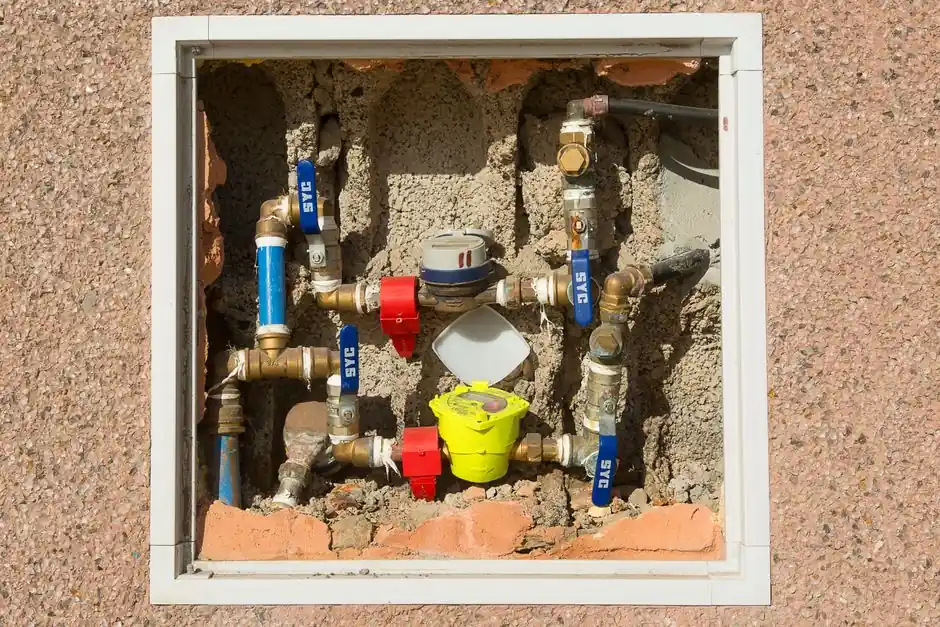
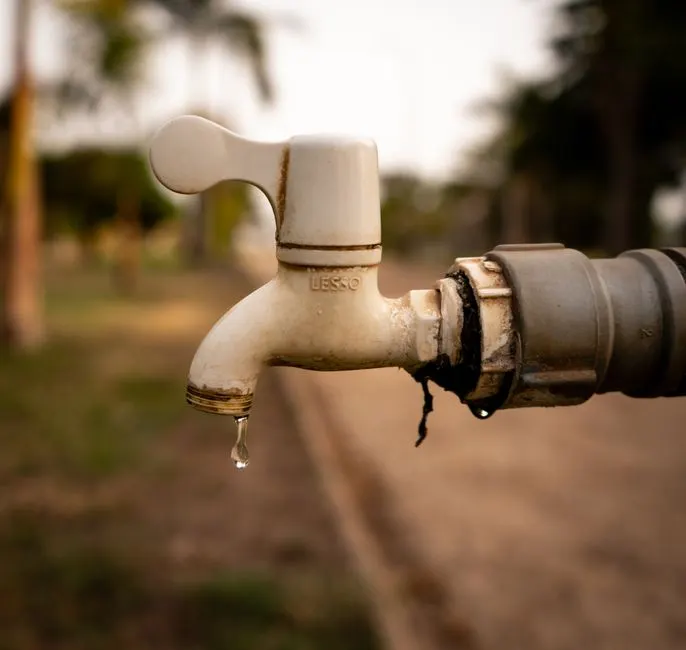
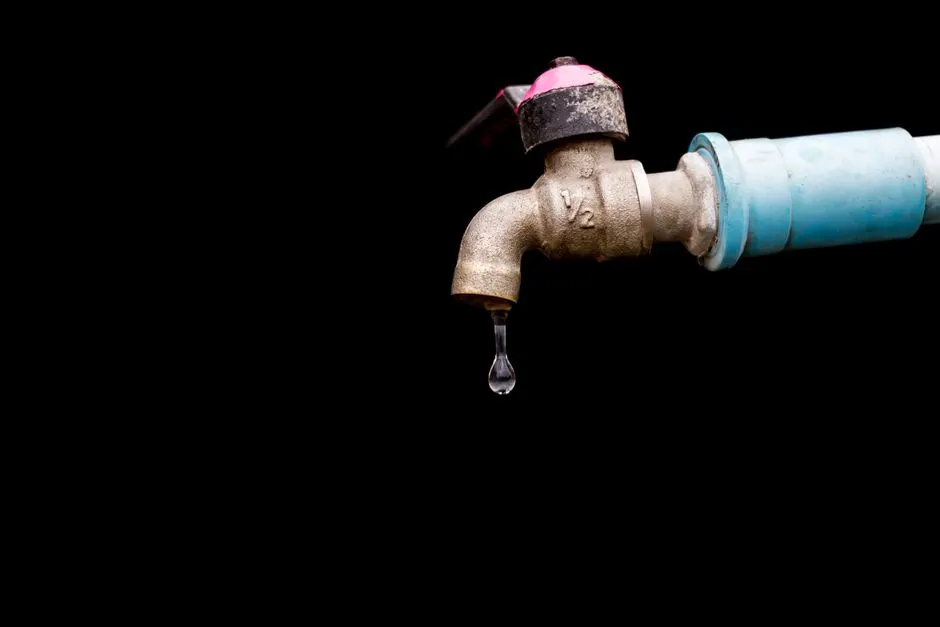
Orange has a specific set of leak drivers: a housing stock that spans a century, a water table that rises after wet winters, and soil that shifts with moderate seismic activity. Add mature trees in older neighborhoods and you get a predictable list of problems. Here's what we see most, and how we handle it.
Homes built in the 1950s and 1960s in the 92867 and 92868 ZIPs still have original copper under the slab. Copper corrodes from the outside in, and the soil movement from seasonal moisture swings accelerates it.
The line between the meter and the house takes the most soil pressure and is often the oldest pipe on the property. In Orange, root intrusion and soil settling at the meter box are common causes.
Older pools in Orange Hills and Santiago Hills have PVC plumbing that becomes brittle with age and heat. Fittings and light niches are the first places to fail because they take the most stress.
Mature trees in Old Towne Orange and El Modena send roots into clay and cast iron laterals. The roots find the joints, widen the cracks, and create both a leak and a backup risk.
Most Orange leaks announce themselves before they cause real damage. If you're seeing any of these, it's worth a call. Waiting usually means a bigger repair, a higher water bill, or foundation damage that costs far more than the detection visit. If you've been searching for Water Leak Detection in Orange CA near me, these are the triggers that should move you to pick up the phone.
Water bill jumped with no change in use
A sudden $80 to $200 increase on a residential bill usually means a supply-side leak. On a slab leak, the water runs under the foundation and never surfaces. The longer it runs, the more soil it moves and the more likely you are to see cracking.
Warm spot on the floor
A warm patch on a tile or concrete floor almost always points to a hot-water slab leak. The hot line is losing water under the slab, and the heat travels up through the concrete. This is one of the clearest signs and one of the easiest to locate.
Pool losing more than two inches a week
Normal evaporation in Orange is about one inch per week in summer. Anything beyond that points to a leak at a fitting, light niche, or return line. Catching it early avoids a full re-plumb and keeps the pump from running dry.
Soggy patch in the yard that won't dry
A persistently wet spot on the lawn or in a planter bed usually means an underground line is leaking. It could be the service line, irrigation, or a sewer lateral. We isolate each one to find the real source before any digging.
Sound of running water when everything is off
If you hear water moving when no fixture is on, something is leaking. It might be a toilet flapper, but on older Orange homes it's often a pinhole leak in a wall or under the slab. Acoustic listening pinpoints it fast.
Orange is easy to work once you know the landmarks. We route by Orange Plaza, Chapman University, and Irvine Regional Park, and we plan around the traffic patterns near the 22 and 55 freeways. If you're giving us a call from a rental near campus or a home off Santiago Canyon Road, a landmark helps us get the truck to the right curb faster.
The traffic circle at Chapman and Glassell is our main orientation point for Old Towne Orange. Jobs near the Plaza usually mean tight street parking, so we plan to walk gear in from a nearby side street.
The campus anchors the 92866 ZIP and gives us a clear reference for addresses along Palm, Center, and Glassell. Student rentals in this area are frequent leak-detection calls.
The park sits at the eastern edge of Orange and helps us orient jobs in Orange Hills and along Santiago Canyon Road. Properties near the park boundary often have longer underground service runs.
Located inside Irvine Regional Park, the zoo is a useful landmark for the far eastern addresses in the 92869 ZIP. It tells us we're working the canyon-side properties with sloped lots.
Plus surrounding Orange County neighborhoods, with same-day routing on most appointments.
Averaging 4.9 / 5 across verified reviews.
“We had a slab leak in our 1950s home off Cambridge and the water bill had doubled. They showed up the same day, used a thermal camera and a listening device, and marked the exact spot on the floor. The repair was clean and they pressure-tested it before leaving. No guesswork, no extra concrete cuts.”
Marisol R.
Near Old Towne Orange
“Our pool in Orange Hills was losing water and two other companies just wanted to re-plumb it. These guys pressure-tested the lines, found a cracked fitting under the deck, and fixed it in an afternoon. Saved us thousands. They also found a small leak at the light niche we didn't know about.”
Dale K.
Orange Hills
“Called at 9 p.m. when water started coming up through the garage floor. They walked me through shutting off the main and had a tech out within the hour. He found the leak on the service line with an acoustic tool and gave us a clear repair number on the spot. Straightforward and no upselling.”
Priya N.
El Modena
Orange's climate is mild, but the seasons still drive leak patterns. Fall is when we see the most slab leak calls because the soil dries and shifts after summer. Winter rain raises the water table and makes underground leaks visible. Spring and summer bring pool and irrigation issues. Knowing the seasonal rhythm helps you catch a leak before it becomes a repair.
Soil is still moist from winter rain, and underground leaks often surface as soggy patches. Irrigation systems get turned back on, and that's when we find broken sprinkler lines and failing valves.
Tip: Run each irrigation zone for five minutes and watch the meter. If it moves with the zone on and everything else off, you have an irrigation leak.
Hot, dry soil shifts and stresses underground pipe, and pool evaporation makes it harder to tell a leak from normal loss. Slab leaks become more common as the soil contracts.
Tip: Mark your pool level with tape. If it drops more than two inches in a week, call for pool leak detection before the pump runs dry.
This is our busiest season for slab leak detection in Orange CA. The soil dries out and contracts, which can crack aging copper under the slab. Water bills from summer usage also make leaks easier to spot.
Tip: Compare your fall water bill to the same month last year. A jump of $80 or more with no usage change is a red flag.
Rain raises the water table in low-lying parts of Orange, and underground leaks that were slow become visible. Sewer laterals also take on more water, which can mask a leak or make backups more frequent.
Tip: After a heavy rain, check your yard for spots that stay soggy for more than two days. That's usually a sign of an active underground leak.
Orange sits in the middle of our service region. From our Yorba Linda base we cover the cities around it daily, and a call from any of these areas gets the same trucks, the same tools, and the same leak-location process we use in Orange.
(City)
About 8 miles northwest of Orange via the 57. We run Placentia and Orange calls on the same route most days.
View Placentia(City)
Roughly 10 miles north via the 57. Brea's older housing stock has similar copper and slab leak patterns to Orange.
View Brea(City)
About 9 miles northeast via the 91. Sloped lots and longer service runs make underground leak detection common here.
View Anaheim Hills(City)
Borders Orange to the northeast. We treat Villa Park and Orange Hills as one coverage pocket for scheduling.
View Villa Park(City)
About 11 miles northwest via the 57. Fullerton's historic downtown has the same aging pipe issues we see in Old Towne Orange.
View Fullerton(City)
About 8 miles south via the 55. Tustin and Orange share slab leak and pool leak calls on the same weekly route.
View TustinReal answers from our team for the questions we hear most often before a job starts.
If you've got a rising water bill, a warm spot on the floor, or a yard that won't dry out, we can locate the leak and give you a repair number the same day. We're licensed, insured, and we carry acoustic and thermal gear on every truck. Call (657) 354-1679 and we'll get a tech to your Orange address, whether you're near Orange Plaza or out in Santiago Hills.
Reach us at (657) 354-1679 any time, day or night. Standard calls get same-day windows across Yorba Linda and Orange County, and emergency leaks are treated as priority. Tell us what you are seeing and hearing, and we will tell you what it likely is and what it takes to fix it.
Phone
(657) 354-1679Address
22435 E La Palma Ave #110, Yorba Linda, CA 92887, USA
Hours
Mon–Fri: 7AM – 7PM
Sat: 8AM – 4PM
Sun: Emergency Only
24/7 Emergency Available